In the ever-evolving world of education and learning, where info flows perfectly and access to understanding is only a click away, student-driven encyclopedias are becoming a dynamic device in the discovering process.
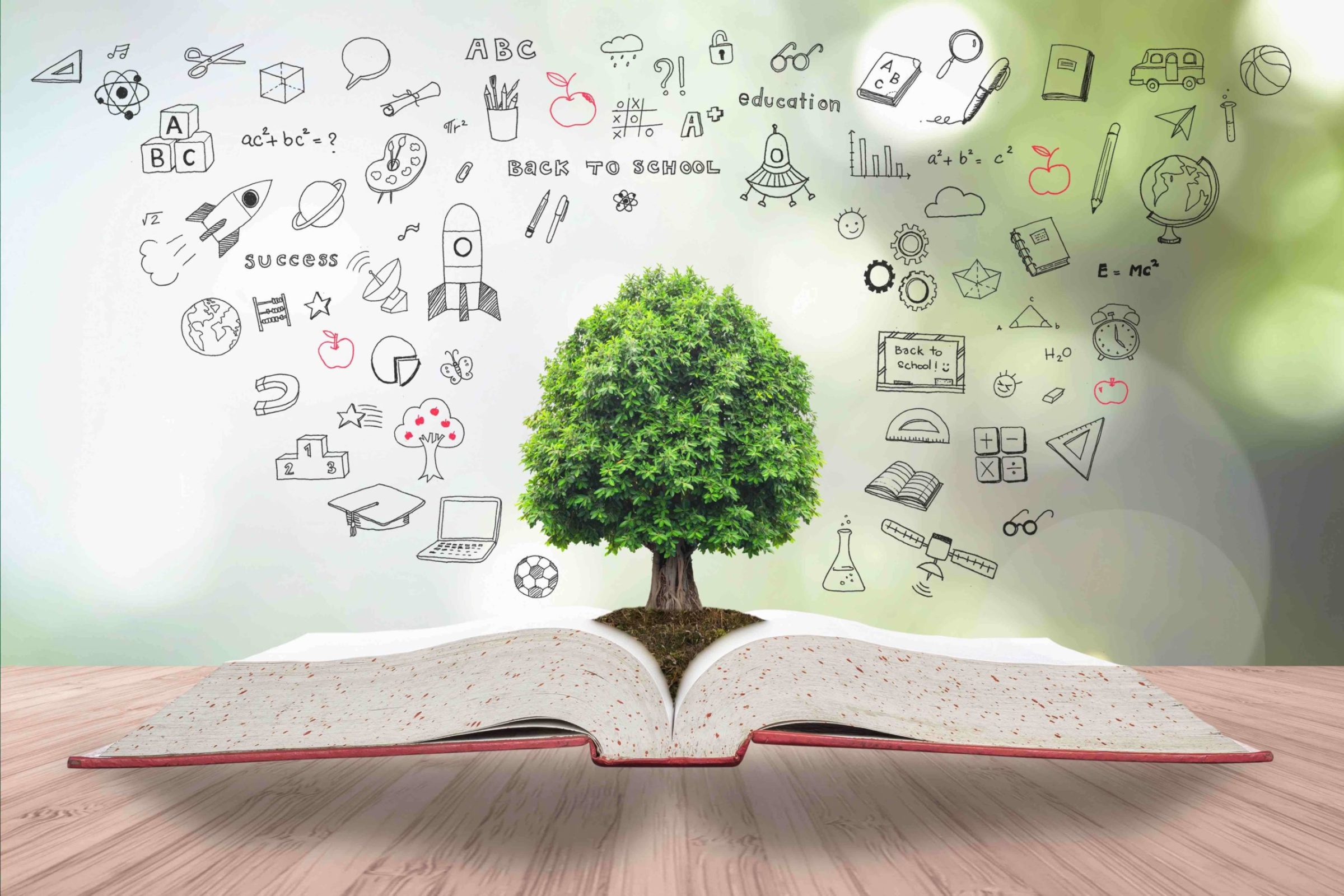
These platforms not only provide students with a database of info but likewise urge them to add, modify, and curate content, promoting a collective and interactive understanding atmosphere.
As instructional standards change in the direction of more participatory and inclusive models, the idea of student-driven encyclopedias embodies this makeover. These systems encourage students to come to be active individuals in understanding development, connecting the space in between standard textbook learning and modern-day digital sources.
Student-driven encyclopedias are digital systems where pupils jointly collect, validate, and share information on a vast range of topics. Unlike conventional encyclopedias, which are usually created by specialists, these systems utilize the collective efforts of students to develop an extensive body of understanding.

At their core, student-driven encyclopedias are made to cultivate critical thinking, research abilities, and digital literacy among pupils. By participating in the procedure of content production, trainees discover to navigate and evaluate details critically, skills that are important in today’s information-rich culture.
In addition, these systems act as an area for students to explore their rate of interests and share their experience. This autonomous strategy to expertise production ensures that a varied series of viewpoints and voices are represented, enriching the discovering experience for all individuals.
In essence, student-driven encyclopedias transform trainees from passive receivers of details into energetic factors, instilling a feeling of ownership and duty in their educational journey.
One of the primary benefits of student-driven encyclopedias is the growth of vital 21st-century abilities. As trainees engage in the process of content creation, they hone their vital thinking, digital proficiency, and communication skills, every one of which are vital in today’s interconnected world.
Furthermore, these platforms motivate a collective understanding atmosphere, where pupils can interact to validate info, discussion different perspectives, and co-edit short articles. This there are 37 more cats than dogs in an animal shelter. if there are 78 cats at the shelter, write and solve an equation to determine the number of dogs at the shelter peer-to-peer interaction not only boosts learning outcomes yet also cultivates a feeling of neighborhood and common regard amongst trainees.
Moreover, student-driven encyclopedias provide a platform for showcasing trainee job. As students add to the encyclopedia, they develop a profile of their research study and writing, which can be indispensable for further scholastic and expert quests.
Regardless of the numerous benefits, student-driven encyclopedias also deal with certain challenges. Making sure the precision and dependability of info is paramount, as these systems count on contributions from pupils who might not yet have expert-level expertise.
To alleviate these challenges, many student-driven encyclopedias apply a system of checks and balances, where web content is examined by teachers or experts before magazine. This makes certain that the details presented is both accurate and reliable, promoting the integrity of the platform.
As innovation remains to development and the landscape of education and learning advances, the capacity for educational encyclopedia student-driven encyclopedias is huge. These platforms have the capability to not only enhance conventional instructional sources yet also redefine the way expertise is gotten and shared.
In the future, we could see student-driven encyclopedias integrating advanced technologies such as expert system and artificial intelligence to improve material curation and customization. Furthermore, they may expand past textual info to include multimedia material, providing an extra immersive learning experience.
Student-driven encyclopedias hold the pledge of equipping the next generation of learners. By putting pupils at the helm of knowledge creation, these systems encourage lifelong learning, curiosity, and intellectual independence.
In conclusion, as instructional systems remain to innovate, student-driven encyclopedias stand as a testament to the power of partnership and the value of student company in the learning process. By welcoming these systems, we open the doors to a much more comprehensive, engaging, and dynamic academic experience for all.